What “Cheap” Really Means for Safety, Maintenance & Long-Term Value.
When you’re comparing garage doors, it’s tempting to focus on the up-front price. After all, a garage door is a big purchase — who wouldn’t want to save a few hundred pounds?
But in this industry, “cheap” almost always comes at a cost. And those extra costs tend to show up after the installer has left, when the door is already in daily use. Whether you’re a homeowner planning a replacement or a distributor evaluating product lines, understanding the real price of a “budget” garage door can save money, reputation, and headaches in the long run.
Below are the hidden costs that rarely make it into brochures — but always make an appearance eventually.
Early Wear and Tear — When Cheap Steel Isn’t Really a Bargain
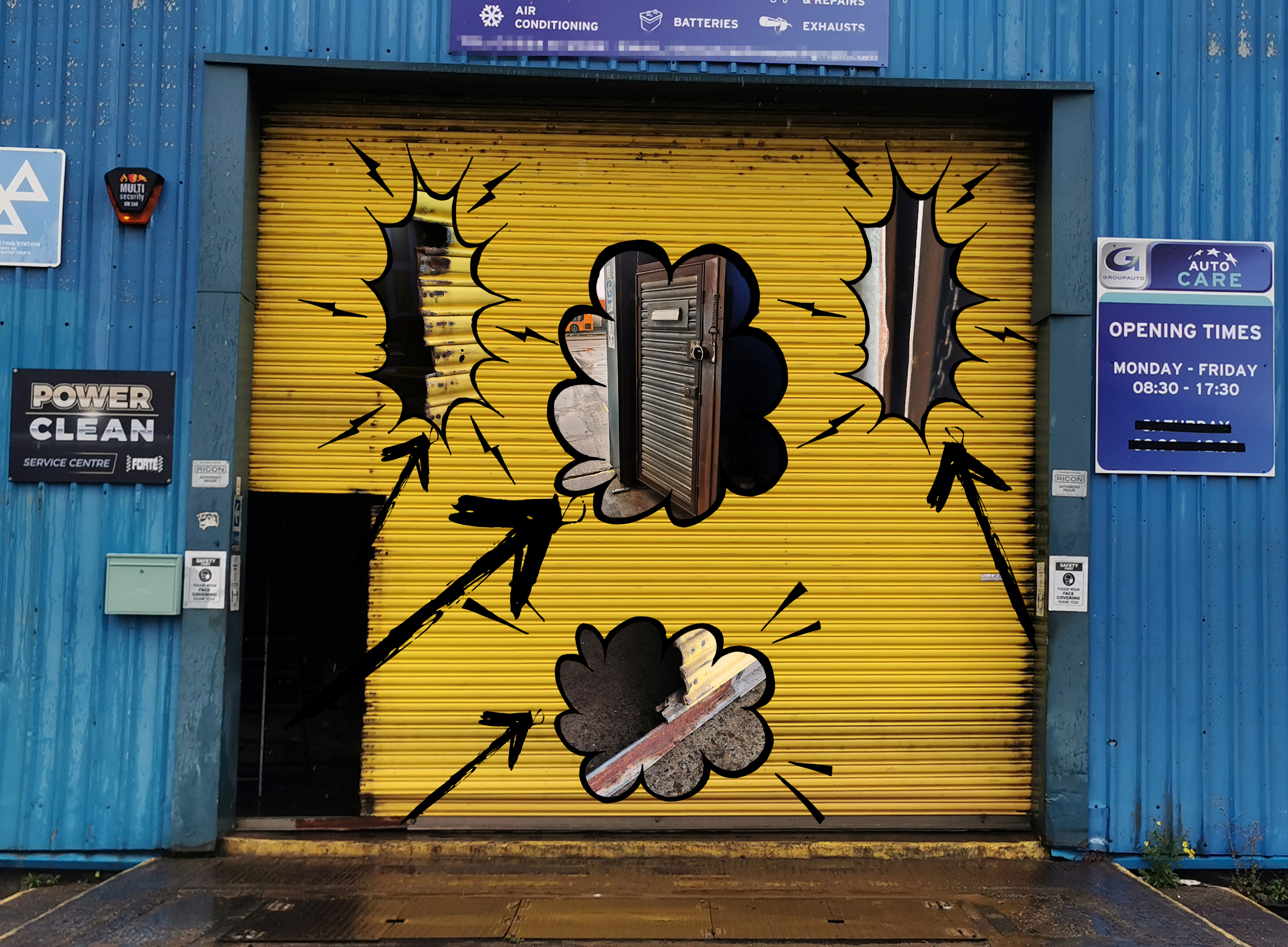
Cheaper garage doors are usually made with thinner, lower-grade steel or lightweight composites that simply aren’t built to withstand daily operation, weather, or impact.
What this means in practice:
- Panels dent easily
- Paint fades or peels sooner
- Tracks and hinges warp
- Springs lose tension faster
A low-priced door can appear fine during installation, but it starts showing visible ageing within its first year. And once metal fatigue begins, repairs tend to become more frequent and more costly.
For distributors: Subpar materials lead to more customer complaints, more call-backs, and reduced trust in your product range.
Cheap Doors Often Require More Frequent Professional Repair
It’s not unusual for budget doors to need:
- spring replacements
- cable repairs
- track realignment
- motor strain fixes
- roller replacements
Each repair may seem minor, but added together, they often exceed the price difference between a budget door and a quality model. If the door is used regularly or installed in a home where it’s primary entry point the repair cycle is even faster.
Safety Risks Are Higher (and Usually Not Mentioned in the Sales Pitch)
A poorly built door doesn’t just fail sooner — it can fail dangerously.
Cheap doors are more likely to develop faults in areas related to safety, including:
- weakened torsion springs
- unreliable auto-reverse systems
- inferior locking mechanisms
- flimsy panel construction during forced entry attempts
A malfunctioning door can damage cars, injure users, or fail to protect a property from intruders.
For professionals: A single safety failure can cost more than money — it can cost a business its reputation.

Poor Insulation = Higher Heating Costs (Every Single Year)
Many cheap garage doors lack adequate insulation, and homeowners don’t always consider how much that matters. For attached garages, a poorly insulated door can dramatically increase heat loss in winter and heat gain in summer.
That translates directly into higher energy bills, year after year.
Even in detached garages, insulation affects:
- workshop comfort
- stored vehicle protection
- moisture buildup
- noise control
Paying less up front can mean paying more every month, with no way to fix it without replacing the door entirely.
Replacement Comes Much Sooner Than Expected
A high-quality garage door can easily last 15–25 years with routine maintenance.
A cheap door may struggle to reach even half of that.
When you factor in:
- replacement cost
- installation
- disposal of the old door
- potential opener damage
… a “cheap” door often becomes the most expensive option over time.
Warranty Limitations That Leave You Paying Anyway
Budget doors often come with thin warranty coverage — and the fine print tends to exclude the parts most likely to fail.
Common exclusion include:
- springs
- cables
- rollers
- paint finish
- corrosion
- labour costs
Even worse, many warranties are voided by:
- DIY adjustments
- using non-OEM parts
- missing a single annual service
- small installation errors
So while the initial price looks attractive, you’re often responsible for everything after installation.
Hidden Costs for Distributors & Installers Too
Cheap garage doors don’t only cost homeowners more — they cost professionals more as well.
Distributors and installers often face:
- higher rates of returns
- more service call-backs
- damaged deliveries
- increased customer dissatisfaction
- reduced margins due to warranty claims
- reputational damage
Stocking low-end doors may seem profitable, but over time, it tends to dilute brand trust and increase operational headaches.
The “True Cost” Comparison
Here’s a simplified comparison of a typical 10-year period:
| Door Type | Up-Front Cost | Repairs (10 yrs) | Energy Cost Difference | Replacement Cycle | Total Cost Over 10 Years |
|---|---|---|---|---|---|
| Cheap Door | Low | High | High | Often replaced once | Very High |
| Quality Door | Higher | Low | Low | Long-lasting | Lower overall |
Most customers don’t see this calculation until it’s too late — which is why educating them builds trust and better long-term relationships.
How SBi Garage Doors Solves These Problems
At SBi Garage Doors, we’ve built our entire product range and installation process to eliminate the issues that make cheap doors expensive over time: we use premium-grade steel, aluminium, and insulated panels engineered for UK weather; reinforced hardware and balanced spring systems that reduce strain and extend operational lifespan; precision installation carried out by trained professionals who align, tension, and safety-test every door; high-quality insulation, weather sealing, and smooth-running openers to improve energy efficiency and reliability; and strong manufacturer warranties combined with dependable aftercare for long-term peace of mind. Whether for homeowners or distributors, our doors deliver durability, safety, and value without the hidden costs.

One Response to “The Hidden Costs of Cheap Garage Doors”
Leave a Reply
hello world
hello world